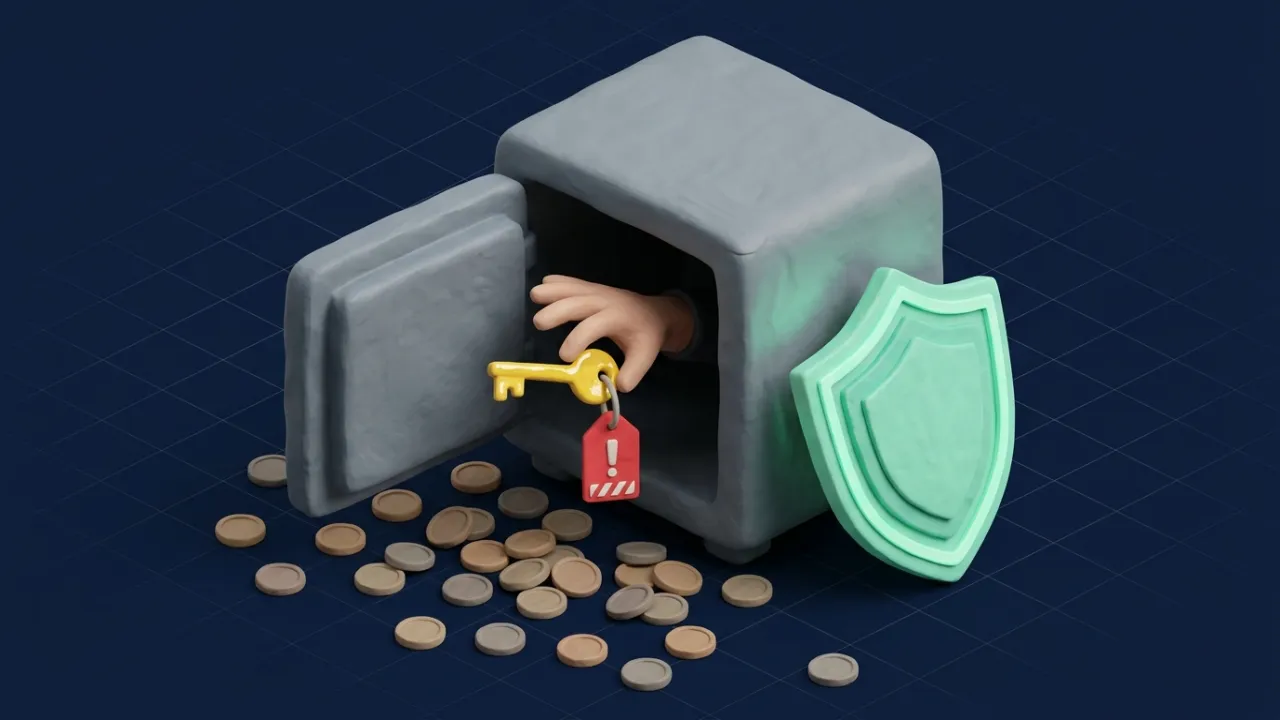
A few weeks after you lose money, a message arrives: a firm that "specializes in crypto recovery", a hacker who "traced your wallet", or an officer from an international task force who has "located your funds". They just need a fee to release them. If you have been scammed before, this is the moment to be most careful.
Anyone who contacts you out of the blue offering to recover lost money, and asks for a fee, tax or deposit first, is running a recovery scam. Real help from banks, regulators and police is free. Only pursue recovery through organizations you contact yourself.
How recovery scams work
The FTC calls these refund and recovery scams, and the UK Financial Conduct Authority calls them "recovery rooms". The FBI has warned specifically about fake law firms targeting crypto scam victims. The pattern is consistent:
- They find you. Victim lists are traded, and sometimes the original scammers return in a new costume.
- They know details. The platform name, the amount you lost, even your case number, which makes them seem official.
- They promise results. Funds "located", "frozen" or "ready to release".
- They need a fee. Legal costs, tax, a "release deposit" or a wallet verification payment, often in crypto.
- There is always one more payment, until you stop.
Who they pretend to be
| Disguise | Typical line |
|---|---|
| Crypto recovery firm or "blockchain forensics" company | "We traced your stolen coins to an exchange wallet." |
| Law firm | "We are handling a class action against the platform; pay to join." |
| Police or international agency | "Your funds were seized; pay the processing fee to receive them." |
| Ethical hacker on social media | "I can hack the scammer's wallet and send it back." |
| The fake trading platform itself | "Pay a final tax and your full balance will be released." |
Warning signs
- They contacted you first.
- They guarantee they can recover your money.
- They want payment upfront, especially in crypto, gift cards or by wire.
- They ask for remote access to your computer or your wallet's recovery phrase.
- Their website is new and their licence cannot be verified. Check it with our website checker and the licence checker.
Where real help comes from
- Your bank or card issuer: disputes, chargebacks and recall requests, free of charge.
- The exchange you used: report the transaction; exchanges can freeze funds that reach them.
- Law enforcement: the FBI's IC3, the FTC, or your national fraud center. They may contact you if funds are recovered, and they never charge victims.
- A lawyer you choose yourself, verified through your bar association, for large losses.
Our recovery planner lists the official steps for your payment method and country. If your loss came from a fake trading platform, see pig butchering scams.
If you already paid a recovery service
Stop all payments, contact your bank, and report it as a new fraud with all the details you have: names, websites, wallet addresses and messages. Then report the company here so the next victim who checks it is warned.
Real recovery is free. Paid recovery is the next scam.
Frequently asked questions
Are crypto recovery services legit?
Some licensed investigators and law firms exist, but anyone who contacts you first, guarantees results, or asks for an upfront fee or crypto payment is almost certainly a scammer. Legitimate blockchain tracing does not guarantee recovery.
How did the recovery scammers find me?
Lists of victims are sold and shared between criminal groups, and some recovery scams are run by the same people who scammed you. Posting about your loss publicly can also attract them.
Can a hacker get my crypto back?
No. Crypto transactions cannot be reversed by hacking. "Ethical hackers" offering recovery on social media are scammers.
The police contacted me and asked for a fee. Is that normal?
No. Police and government agencies do not charge victims to return money. Verify by calling the agency on a number you find yourself.
Is there any real way to recover money?
Your bank or card issuer, the exchange you used, and law enforcement are the real routes. Sometimes funds are frozen and returned through official processes, which never require you to pay a fee.
What if I already paid a recovery company?
Stop paying, contact your bank, and report it to the FTC and FBI IC3 (or your national fraud center) as a separate scam.
Do I need a lawyer?
For large losses, a lawyer you find and verify yourself through your bar association can advise on legal options. Be wary of any lawyer who contacts you first.
How do I check if a recovery company is real?
Search its name with "scam" and "complaints", check whether it is licensed with your regulator, and never pay in crypto or gift cards. Contact that comes out of the blue is the biggest warning sign.
Sources
- FTC: Refund and recovery scams
- FBI IC3: Fictitious law firms targeting cryptocurrency scam victims
- UK Financial Conduct Authority: Recovery room scams
- FBI IC3: Report a crime
Figures are the latest available from each source at the time of writing. We review guides when official data or rules change. Spotted an error? Tell us.